

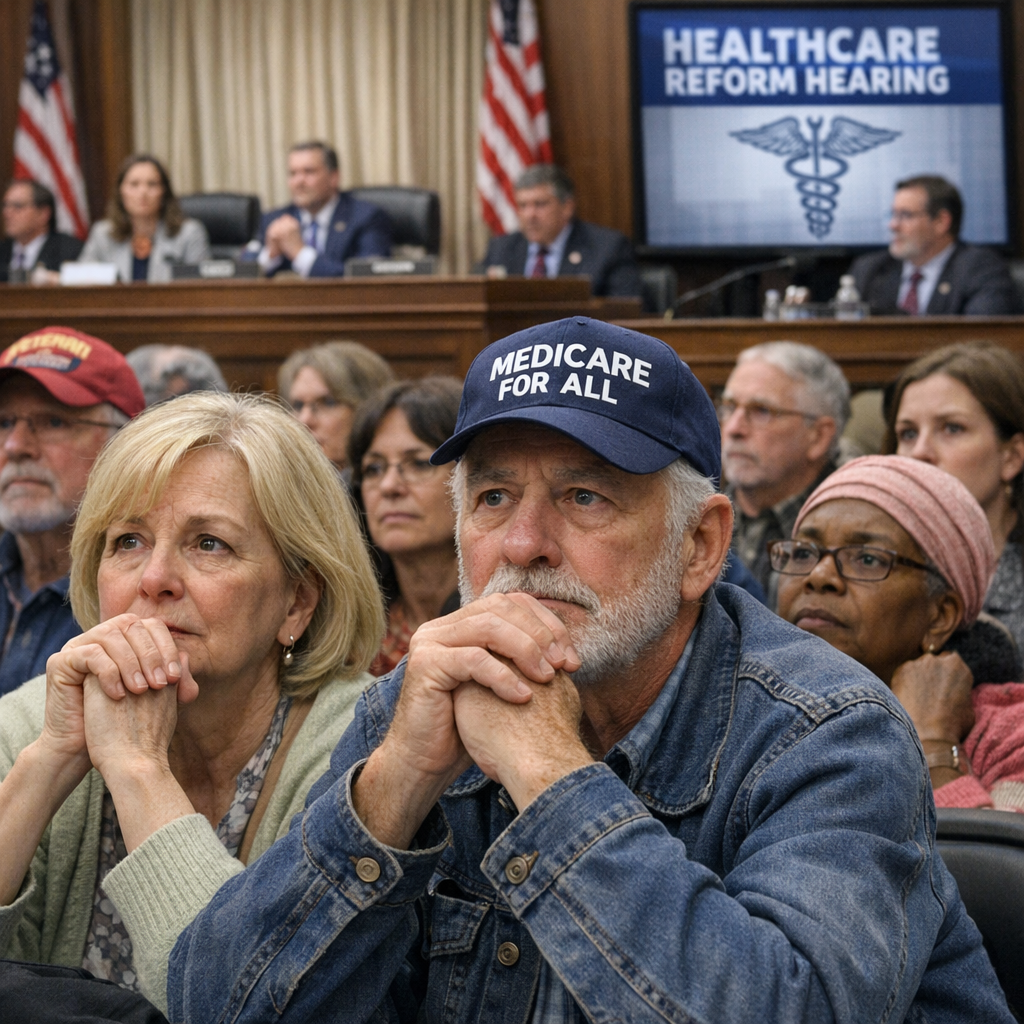
In recent months, two issues have been repeatedly underscored by Americans as among the most pressing in U.S. national discussion: the rising cost of healthcare and concerns about how the debt ceiling process complicates federal borrowing. While these topics aren’t new, ongoing political debates and economic pressures continue to make them central to how we understand national well-being.
Healthcare Affordability: A Top National Anxiety
Pew Research surveys show that the affordability of healthcare has become a rising concern—significantly more Americans now say it’s a “very big problem,” alongside inflation and the growing budget deficit. In many polls, healthcare now ranks as the top or near-top domestic worry. These concerns stem from high premiums, rising drug costs, and the stress many feel when choosing between medical care and other essentials like housing or groceries.
How Health Costs Shape Public Opinion
Healthcare costs don’t just impact wallets—they weigh heavily in voter decision-making. A majority of U.S. adults say those costs will influence who they vote for, and which party they trust to address them. Trust levels vary: many voters lean toward Democratic leadership when thinking about lowering healthcare and prescription drug costs, though opinions differ depending on rural or urban background, income, and political affiliation.
The Debt Ceiling and Its Hidden Costs
The U.S. government’s debt limit—also known as the debt ceiling—is the legal cap on how much the Treasury can borrow to meet existing obligations. When Congress approaches that limit without action, delays and political standoffs can have real financial consequences. The U.S. Government Accountability Office (GAO) warns that these deadlocks increase borrowing costs, reduce investor confidence, and risk jeopardizing payments to Social Security, veterans, and others.
Why the Debt Ceiling Matters to Everyday Life
- Taxpayer costs rise when markets grow nervous—investors demand higher interest rates if a default looks likely. These costs get passed through in various ways and can affect national debt service.
- Long negotiations or brinksmanship around debt can create broader instability in financial markets, potentially weakening the dollar or increasing borrowing costs for everything from mortgages to municipal bonds.
Looking Ahead: What’s Next?
It’s unlikely either issue will be resolved quickly. Healthcare reform tends to move slowly in Congress, and proposals often face partisan debates over how much government should do. Meanwhile, the debt limit process has become a recurring policy challenge, often tied to budget negotiations and spending priorities.
For communities like ours in Colorado, although these debates are made in Washington, they echo here—in insurance premiums, in costs at the pharmacy, and in how much federal funding reaches local hospitals and clinics. Keeping an eye on national policy might feel distant, but it’s only by understanding these issues that we can hold our representatives accountable and engage in informed civic conversation.