

By Emma Nelson
Understanding Alamosa’s Water Reality
The San Luis Valley’s water supply is strained. Growing demand, prolonged drought, and regulatory constraints — especially related to groundwater and river access — are placing pressure on longtime practices for farmers and residents alike. The Upper Rio Grande aquifer, crucial for many wells, continues to see declining water levels, prompting more trials and legal measures aimed at managing both surface and groundwater resources. These changes are reshaping land use, agriculture, and development patterns across the region.
Water Rates, Rights, and Community Tensions
Recent court cases highlight tensions between groundwater irrigators and surface water users. Many farmers argue that fee hikes (around $500 per acre‐foot of pumped water in some cases) and regulatory changes threaten their livelihood, especially when raising fees or cutting back wells could make farming operations unviable. Others point out that historic and legal inequalities make some water users better positioned to respond than others.
Infrastructure, Recreation, and River Access
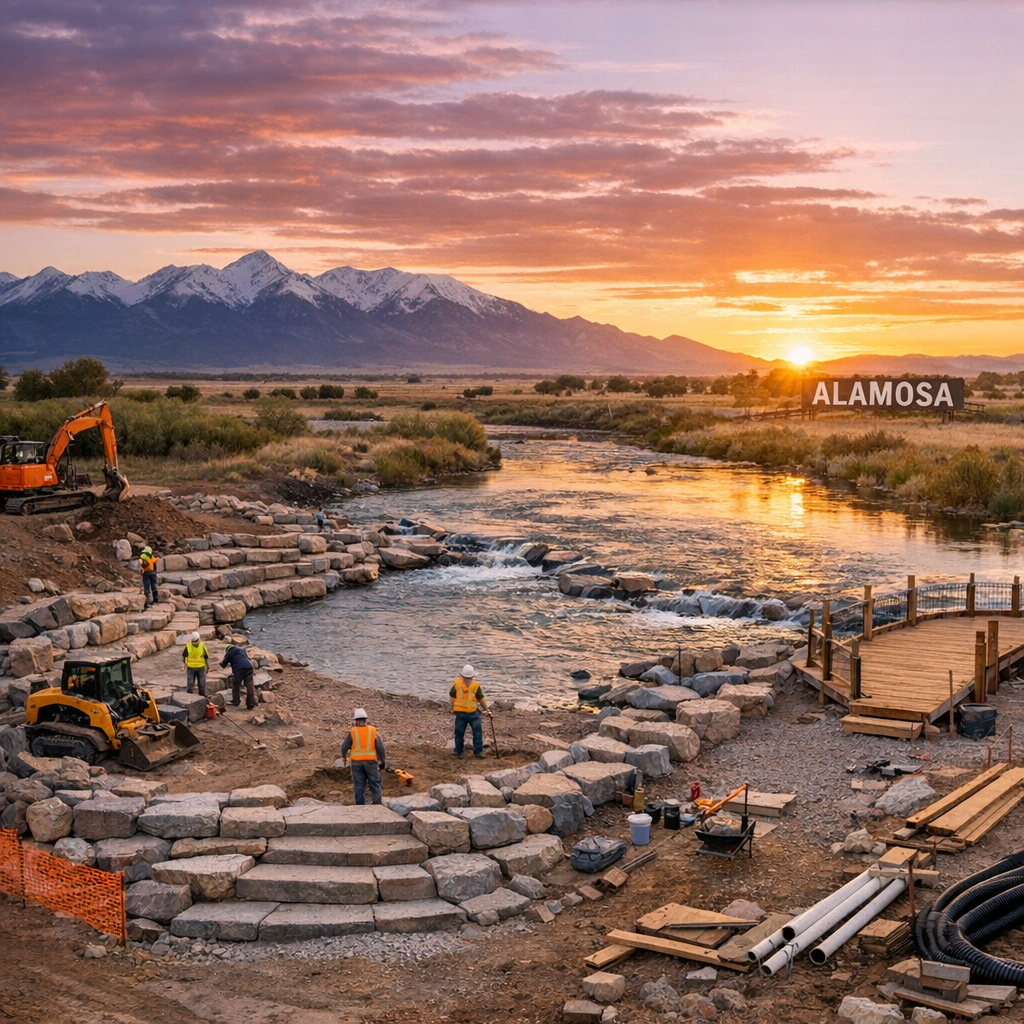
Parallel to water supply debates, Alamosa has approved or is exploring several infrastructure improvements. Key among them are bridge maintenance on US routes, improvements to river access, irrigation diversion upgrades, and projects intended to reconnect the city to the Rio Grande for recreation and ecological benefits. These efforts stem from community planning like the Rio Grande Stream Management Plan and updates to city and county comprehensive plans.
What This Means for Residents
- Water bills and rates may rise. Increased costs for water rights, infrastructure upgrades, and conservation efforts could translate into higher fees for irrigation and even residential users.
- Some land use and development plans are shifting. Areas under consideration for annexation or new development must be aligned with available water supply and legal water rights, which may limit growth in certain directions.
- Recreation and quality of life may improve. Projects to reconnect Alamosa to the Rio Grande aim to provide more parks, trails, and river access — bringing environmental and recreational value to the city while promoting river health.
How Citizens Can Stay Involved
City Council and Planning Commission meetings are key opportunities to follow and influence decisions. These bodies often review water policy, development plans, and infrastructure funding. Volunteers can also engage through advisory boards such as the Main Street Advisory Committee or the Creative District.
Conversations about water equity, reliable access, and balancing environmental health with agriculture are far from over. What happens in Alamosa now will shape the valleyʹs future — for farmers, families, and waterways alike.