

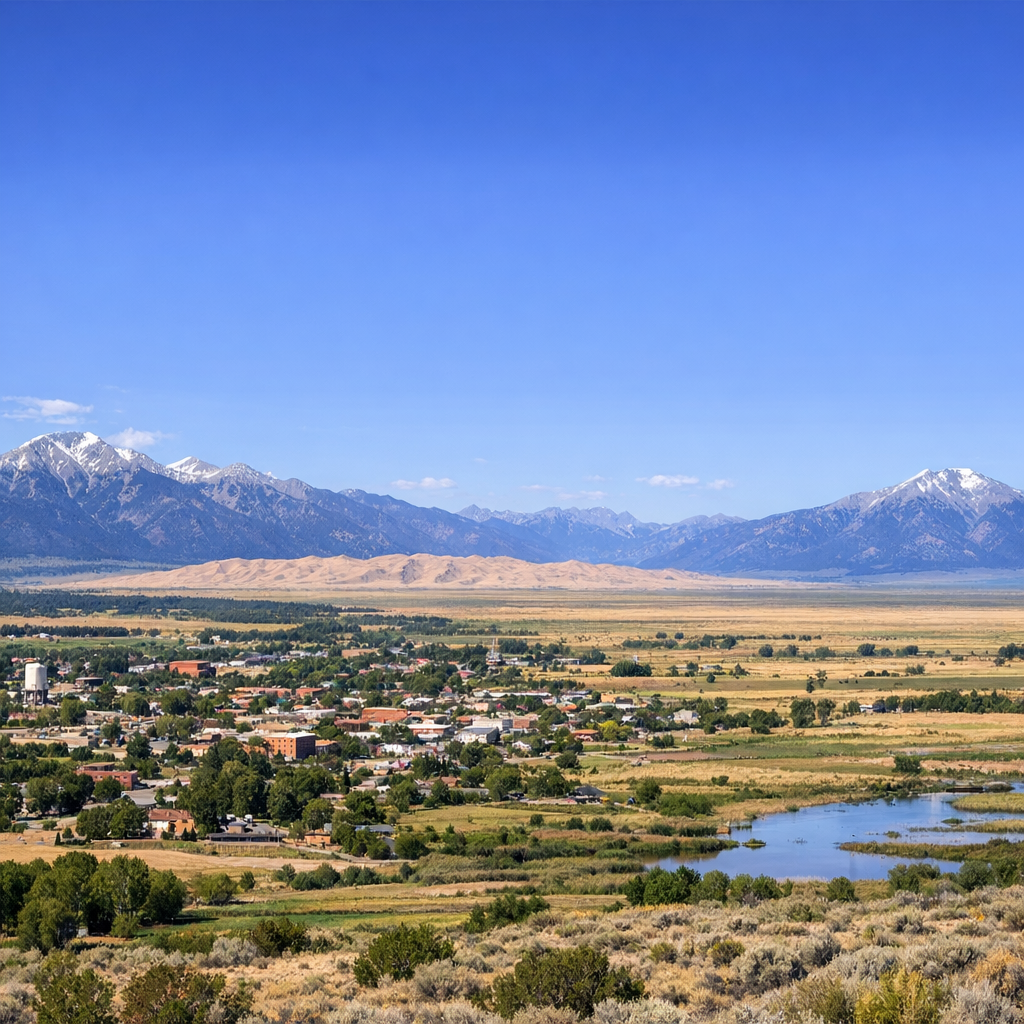
Alamosa, nestled in the San Luis Valley of Colorado, experiences a distinctive climate marked by significant temperature fluctuations and minimal precipitation. This unique weather pattern influences daily life, agriculture, and local ecosystems.
Temperature Extremes
Residents of Alamosa are accustomed to dramatic temperature swings. The average annual high is approximately 59.5°F, while the average low hovers around 24.6°F. Notably, the region has recorded temperatures as high as 96°F on July 5, 1989, and as low as -50°F on January 28, 1948. Such extremes underscore the importance of preparedness for both scorching summers and frigid winters.
Precipitation and Snowfall
Alamosa’s arid climate results in an average annual precipitation of about 7.7 inches. The majority of this moisture falls between April and October, often as light, scattered showers from afternoon thunderstorms. Winter months contribute to the annual average snowfall of approximately 30 inches, with snow cover sometimes persisting for several weeks during the coldest periods.
Growing Season and Frost
The growing season in Alamosa is relatively short, averaging around 90 days. The last frost typically occurs between June 1 and June 10, while the first frost can be expected between September 1 and September 10. This limited window poses challenges for agriculture, necessitating careful planning and selection of frost-resistant crops.
Environmental Considerations
Recent studies have highlighted environmental concerns linked to Alamosa’s climate. Prolonged drought conditions and a warming climate have been associated with elevated levels of heavy metals, such as arsenic and uranium, in private groundwater wells. These contaminants pose potential health risks to residents relying on well water, emphasizing the need for regular water quality testing and mitigation strategies.
Understanding Alamosa’s unique climate is essential for residents and visitors alike. Awareness and adaptation to these conditions can enhance safety, agricultural productivity, and overall quality of life in this distinctive region.