

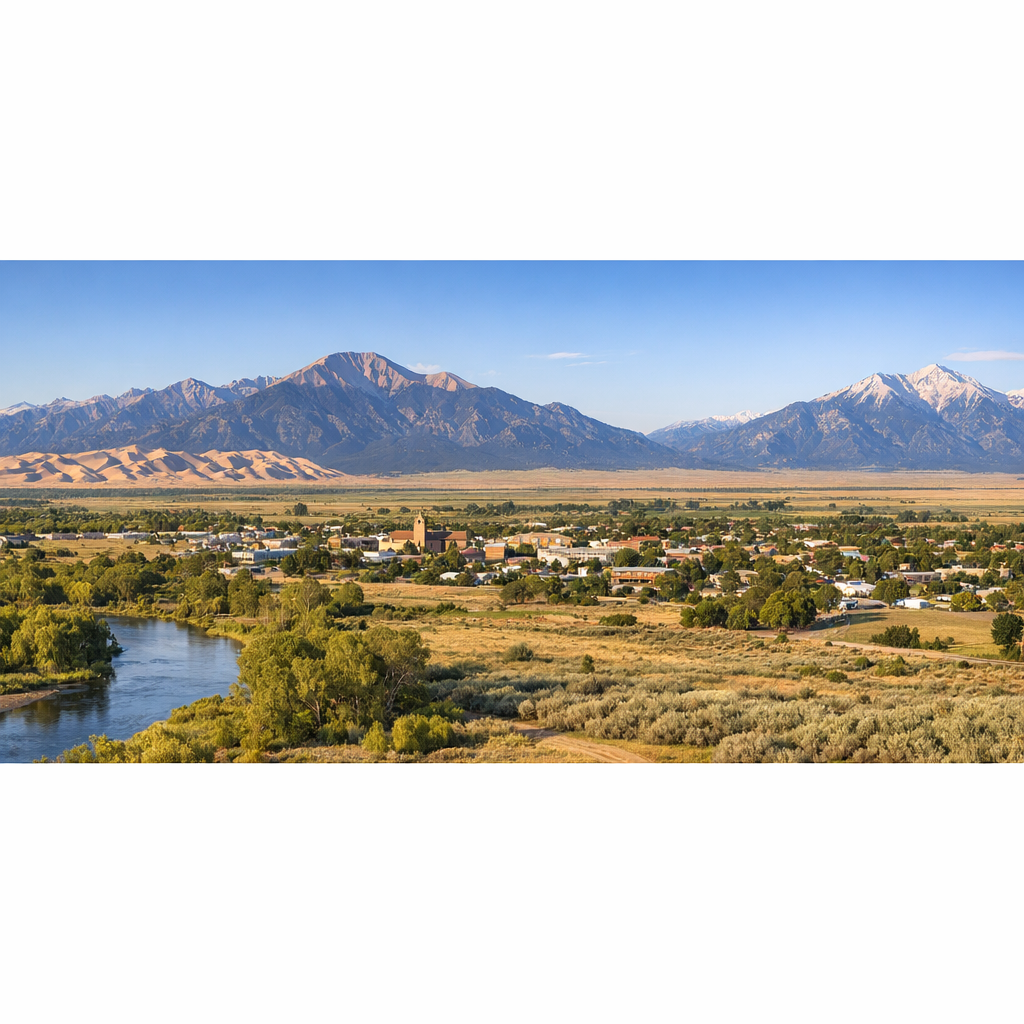
Alamosa, nestled in the San Luis Valley of Colorado, experiences a distinctive climate characterized by significant temperature fluctuations and minimal precipitation. This unique weather pattern influences both the environment and the daily lives of its residents.
Temperature Variations
One of the most notable aspects of Alamosa’s climate is the substantial difference between daytime and nighttime temperatures. On average, there’s a daily temperature variation of about 35.4°F throughout the year. This means that even after a warm day, evenings can be quite chilly, so it’s advisable to dress in layers to accommodate these shifts.
Precipitation and Snowfall
Alamosa receives an average annual precipitation of approximately 7.31 inches, with the majority occurring between July and September. Despite the low overall precipitation, the area averages about 27.6 inches of snowfall annually. Winter snow typically falls in light, frequent amounts, contributing to a consistent snow cover during the colder months.
Seasonal Highlights
Summers in Alamosa are generally warm and dry, with average high temperatures ranging from 80°F to 90°F. Winters, on the other hand, are cold and snowy, with average low temperatures between 10°F and 25°F. The region enjoys about 282 sunny days per year, providing ample opportunities for outdoor activities.
Environmental Considerations
The combination of high elevation and arid conditions contributes to Alamosa’s unique ecosystem. Residents and visitors should be mindful of the dry climate, which can lead to dry skin and eyes. Staying hydrated and using moisturizers can help mitigate these effects.
Understanding Alamosa’s climate is essential for both residents and visitors to make the most of what this beautiful region has to offer. Whether you’re planning outdoor adventures or simply going about daily life, being prepared for the area’s weather patterns will enhance your experience.